

Lisbon is one of the most dynamic markets in Europe, but also one of those that has evolved most rapidly in recent years in terms of positioning. To better understand what is really happening — between growth, increasing selectivity and new decision-making dynamics — we asked Pedro Carta, our Partner in Lisbon, to share his perspective.
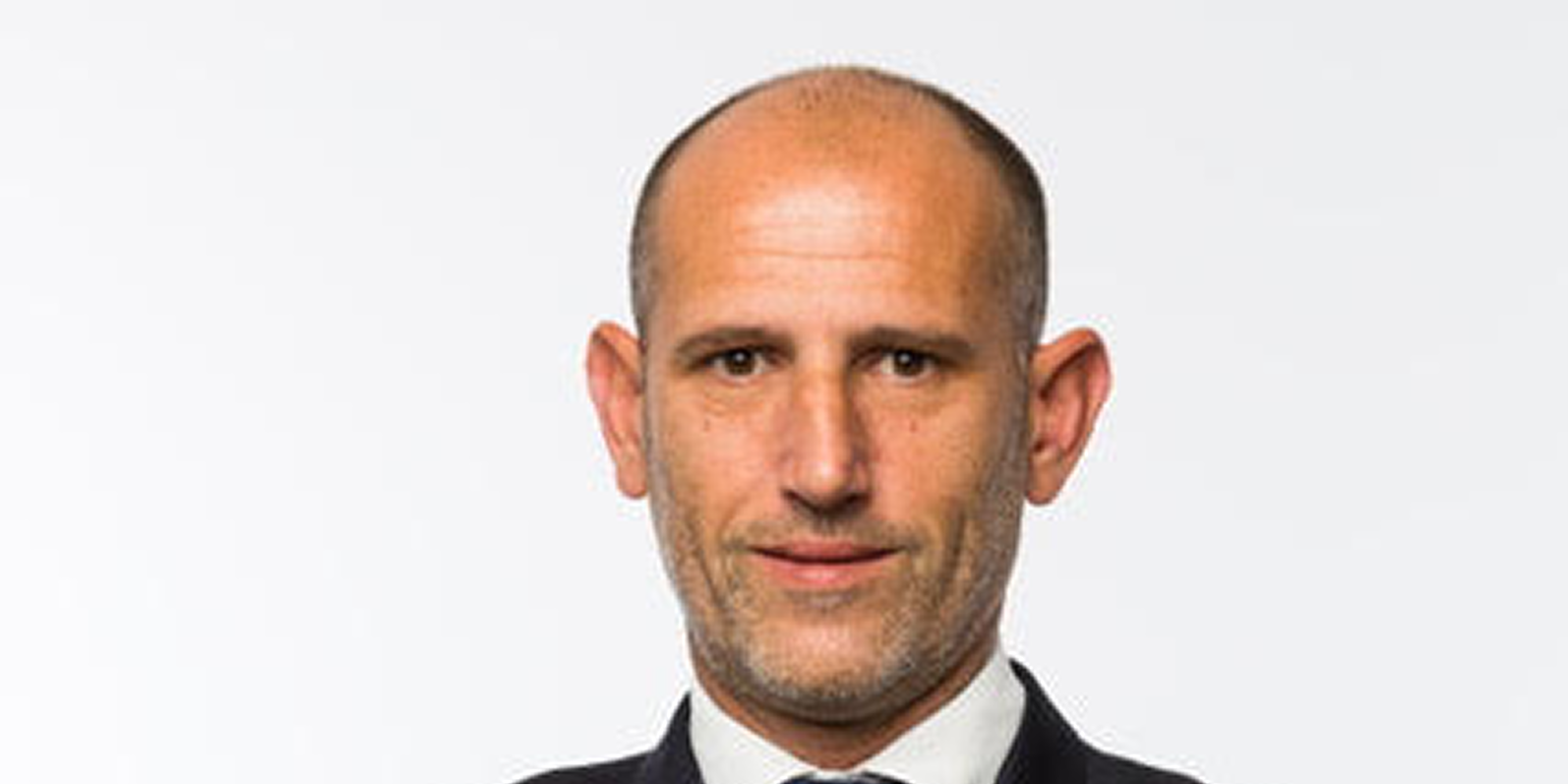
How would you describe Lisbon today as a destination for international companies looking to open an office here?
«Lisbon has evolved into a mature and credible hub for international operations. It combines a stable eurozone environment with a competitive cost base, a strong pool of multilingual talent, and a growing ecosystem of tech companies, shared services and professional firms. Prime areas remain highly sought after, with low vacancy and rising quality standards.»
What has changed the most in recent years, also in light of global instability?
«In recent years, global uncertainty has shifted occupier behaviour from rapid expansion to more selective, quality-driven decisions. Key trends include flight to quality, the normalisation of hybrid working, and resilient demand from the public sector and business services.»
What is one aspect of opening an office in Lisbon that companies tend to underestimate?
«Many organisations underestimate the time required to secure and deliver the right space. Availability of prime space is limited, competition is high, and permitting and fit-out timelines can extend schedules. Early engagement is therefore essential.»
When designing a workplace in Lisbon, which factors have the greatest impact on the project?
«Organisational needs lead the process, while space availability and costs act as constraints. Successful projects start with a clear organisational model and test it against real market conditions.»
If you had to simplify Lisbon into two main workplace scenarios, how would you describe them?
«Scenario A – Prime, experience-driven urban headquarters: located in the CBD or Parque das Nações, prioritising brand presence, ESG performance and employee experience.
Scenario B – Efficient, value-optimised hub: found in emerging areas and business parks, offering scalability and lower costs.»
How do you see the Lisbon office market evolving over the next few years?
«The market is expected to remain stable and moderately positive. New sustainable buildings will outperform, while older stock will face increasing pressure. Flexible solutions will grow, and ESG regulations will have an increasingly significant impact on decision-making.»
What makes a workplace project in Lisbon truly successful today?
«Success depends on aligning workplace strategy with company culture and hybrid working, selecting the right micro-location, prioritising ESG and experience, planning early, and integrating flexibility into both design and lease agreements.»
In this context, Lisbon remains a solid destination, but an increasingly selective one. Alongside a phase of growth, there are now signs of greater caution, linked to global uncertainty and a potential slowdown in international investment. A scenario that is leading companies towards more measured and progressive decision-making. Understanding these dynamics, and anticipating them, is what ultimately makes the difference: this is where project feasibility and quality are defined.